Ecommerce Trends: The Future of Online Shopping and What It Means for Your Brand
Remember when online shopping meant sitting at your desktop computer, methodically clicking through endless pages of products?
Published
Scroll Down ↓

Ecommerce is changing quickly. Product discovery is moving beyond traditional search, AI is influencing how customers find and compare products and technologies such as augmented reality are creating new ways to experience products online.
For brands, these ecommerce trends aren't simply about adopting the latest technology. They're changing customer expectations around convenience, personalisation, payments, delivery and the overall shopping experience.
From AI-powered recommendations to mobile-first shopping and social commerce, the lines between discovery, consideration and purchase are becoming increasingly blurred.
So, what does the future of ecommerce look like and which developments should businesses actually be paying attention to?
The Growth of Ecommerce: What the Numbers Tell Us
Digital commerce has become a fundamental part of how people discover, research and purchase products. But growth in ecommerce isn't just about more transactions taking place online. The way those transactions happen is changing too.
Mobile devices now play a major role in the customer journey. In the third quarter of 2024, 68% of online shopping orders were placed using smartphones.
Social platforms are also becoming places where consumers can discover and purchase products without following the traditional route from search engine to ecommerce website. The global social commerce industry is projected to grow three times faster than traditional ecommerce.
This shift is particularly visible in social commerce, where content, creators, communities and shopping features are bringing product discovery and purchasing closer together.
For ecommerce brands, the challenge is no longer simply having an online store. It's creating an experience that works wherever customers choose to discover and interact with the brand.

What's Driving the Future of Ecommerce?
Several technologies and changing consumer behaviours are pushing ecommerce forward.
AI and machine learning are helping businesses understand customer behaviour, personalise recommendations and automate parts of the shopping experience. At the same time, digital wallets and biometric authentication are reducing friction during checkout.
Behind the scenes, advances in analytics, automation and logistics are helping retailers make better decisions about everything from inventory to delivery.
AI is playing a growing role across this wider digital landscape too. From content and customer service to campaign optimisation, businesses are finding new ways to use AI to support growth without removing the human thinking behind the experience.
Trend 1: Mobile Commerce and Mobile-First Shopping
Smartphones have become one of the most important touchpoints in the ecommerce customer journey.
Customers can discover a product on social media, research it, compare prices, read reviews and complete a purchase without moving away from their phone. That makes the quality of the mobile experience increasingly important.
For ecommerce businesses, mobile-first design shouldn't simply mean making a desktop website fit onto a smaller screen. Navigation, product discovery, checkout and payment all need to feel intuitive from the start.
Next-Generation Shopping Features
Augmented reality is creating more opportunities for customers to experience products before buying them. Depending on the product, shoppers can virtually try on clothing or accessories, preview furniture within their homes or see how different colours and styles might look in their space.
Voice search and AI-powered assistants are also changing how people find information and products. As these tools become more capable, ecommerce brands need to think beyond traditional search behaviour and consider how their products can be understood and surfaced across new discovery experiences.
At checkout, biometric authentication and mobile wallets can reduce the number of steps between deciding to buy and completing a transaction.
All of this makes the underlying digital experience increasingly important. A well-designed ecommerce website needs to make the path from discovery to purchase feel straightforward, particularly on mobile.

Trend 2: The New Face of Product Discovery
Finding products online used to mean typing a few keywords into a search engine. Today, discovery can begin almost anywhere.
Search engines remain important, but consumers can also encounter products through marketplaces, social platforms, creators, visual search tools and AI assistants.
Marketplace Evolution
Major ecommerce marketplaces use customer data and machine learning to personalise product recommendations based on factors such as previous purchases, browsing behaviour and individual preferences.
Visual search adds another layer to product discovery. Rather than describing an item with words, customers can use an image to identify products or find visually similar alternatives.
AI-powered search is pushing this change even further.
Consumers are increasingly able to ask detailed questions, compare options and receive recommendations through conversational interfaces. That creates a new challenge for businesses: making sure their products and content can be understood by both traditional search engines and emerging AI systems.
We've explored this shift further in our guide to Generative Engine Optimisation (GEO) and what changing search behaviour could mean for businesses.
The Live Commerce Revolution
Social platforms have shortened the journey between seeing a product and purchasing it.
Live shopping, creator partnerships, shoppable content and integrated storefronts allow customers to move from entertainment to product discovery and purchase within the same environment. For example, 50% of TikTok users have made a purchase after watching a TikTok Live.
This is one reason social commerce is redefining online shopping, particularly for brands whose audiences already spend significant time on social platforms.
AI-powered chatbots and virtual assistants can also support customers once they reach an ecommerce website. They can answer questions, help shoppers navigate large product catalogues and provide recommendations based on what someone is looking for.
The goal shouldn't be to add AI for the sake of it. It should solve a genuine customer problem and make the shopping experience easier.
Trend 3: Smarter Ecommerce Delivery and Fulfilment
The ecommerce experience doesn't end when somebody clicks "buy".
Delivery speed, flexibility and communication can all influence how customers perceive a brand, which is pushing businesses and logistics providers to explore new approaches to fulfilment.
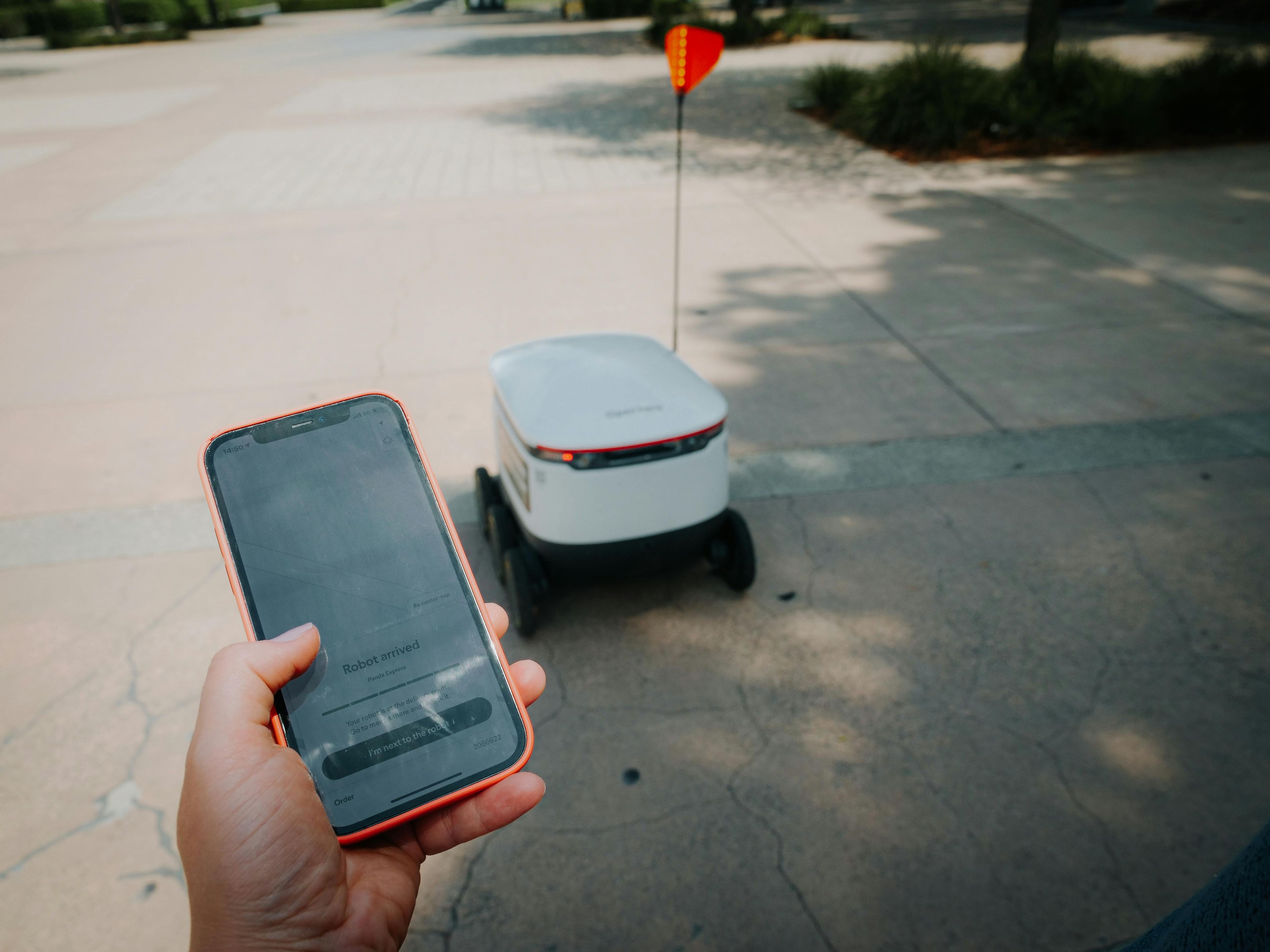
Automation is already helping retailers improve warehouse operations, inventory management and route planning. Autonomous delivery robots and drones are also being tested and deployed in certain markets, although widespread adoption remains an emerging development rather than the norm.
Smart lockers and flexible collection points offer another route forward, giving customers more control over when and where they receive their orders.
For brands, the important trend isn't any single piece of delivery technology. It's the growing expectation that fulfilment should be convenient, transparent and connected to the wider customer experience.
Trend 4: Sustainable Ecommerce and Smarter Fulfilment
Speed isn't the only factor shaping ecommerce logistics.
Consumers and businesses are paying closer attention to the environmental impact of how products are stored, packaged and delivered. This is encouraging investment in electric delivery fleets, with the wider electric vehicle market continuing to grow.
More efficient route planning and alternative fulfilment models are developing alongside this shift.
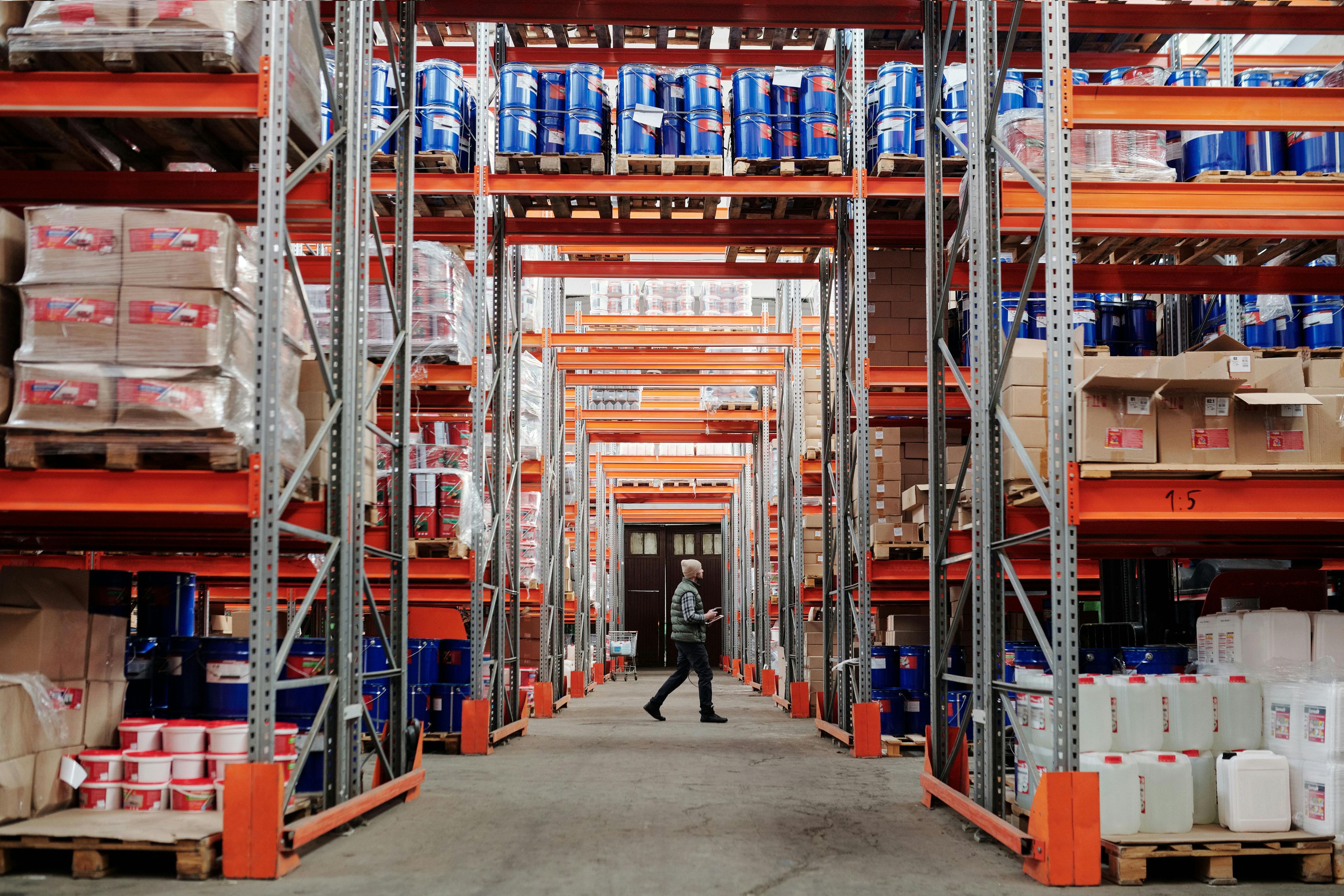
Micro-fulfilment centres, for example, can bring inventory closer to customers in densely populated areas, potentially reducing delivery distances and helping retailers respond to demand more efficiently.
Predictive inventory systems can also help businesses understand what products are likely to be needed and where.
Better forecasting can reduce the risk of overstocking or running out of popular products. For ecommerce businesses, that means smarter use of data can support both commercial efficiency and efforts to reduce unnecessary waste.

What Do These Ecommerce Trends Mean for Your Brand?
The most important takeaway isn't that every ecommerce business suddenly needs augmented reality, delivery robots and an AI chatbot.
Technology only creates value when it improves the customer experience or solves a genuine business problem.
For many businesses, the biggest opportunities may be much more fundamental.
A faster mobile experience. Better product information. Easier navigation. A shorter checkout. More useful content. Smarter marketing. Better integration between the channels customers use to discover a brand and the website where they eventually purchase.
Web design and search performance also need to support each other. We've covered why web design and SEO work best as part of the same system, particularly when ecommerce design decisions directly affect how easily customers can move from browsing to buying.
The businesses that benefit most from emerging ecommerce technology won't necessarily be the ones adopting every new trend first. They'll be the ones identifying where technology can remove friction and create a genuinely better experience.
How Businesses Can Respond to Changing Ecommerce Trends
Start with the customer journey rather than the technology.
Look at how customers currently discover your products, where they encounter friction and what prevents them from moving from consideration to purchase.
Your mobile storefront should make browsing and buying simple. AI can support product discovery and customer service where it adds genuine value. Social commerce can help shorten the distance between inspiration and purchase. Better data can improve everything from marketing decisions to inventory planning.
The same principle applies to customer acquisition. An effective digital marketing strategy should connect the channels customers use rather than treating search, paid media, social, email and conversion as separate activities.
There are already clear examples of what this joined-up approach can achieve. Our work with Katherine Hooker combined an ecommerce website refresh with email marketing, paid media and organic social, creating a stronger experience across the customer journey.
Ultimately, the future of ecommerce isn't about chasing every new platform or technology. It's about understanding how customer behaviour is changing and deciding where your brand needs to adapt.
If your ecommerce experience isn't keeping pace with your customers, talk to Studio East about building a digital experience designed around how people discover, browse and buy today.
Frequently Asked Questions
The biggest ecommerce trends include AI-powered shopping, mobile commerce, social commerce, personalisation, augmented reality, frictionless payments and smarter fulfilment.
AI is helping ecommerce businesses personalise recommendations, improve product discovery, automate customer support and analyse customer behaviour.
The future of ecommerce is more personalised, connected and convenient, with AI, mobile commerce and social platforms playing a bigger role in how people shop online.
Mobile commerce makes it easier for customers to discover, research and buy products directly from their smartphones.
test content
Ecommerce is changing quickly. Product discovery is moving beyond traditional search, AI is influencing how customers find and compare products and technologies such as augmented reality are creating new ways to experience products online.
For brands, these ecommerce trends aren't simply about adopting the latest technology. They're changing customer expectations around convenience, personalisation, payments, delivery and the overall shopping experience.
From AI-powered recommendations to mobile-first shopping and social commerce, the lines between discovery, consideration and purchase are becoming increasingly blurred.
So, what does the future of ecommerce look like and which developments should businesses actually be paying attention to?
The Growth of Ecommerce: What the Numbers Tell Us
Digital commerce has become a fundamental part of how people discover, research and purchase products. But growth in ecommerce isn't just about more transactions taking place online. The way those transactions happen is changing too.
Mobile devices now play a major role in the customer journey. In the third quarter of 2024, 68% of online shopping orders were placed using smartphones.
Social platforms are also becoming places where consumers can discover and purchase products without following the traditional route from search engine to ecommerce website. The global social commerce industry is projected to grow three times faster than traditional ecommerce.
This shift is particularly visible in social commerce, where content, creators, communities and shopping features are bringing product discovery and purchasing closer together.
For ecommerce brands, the challenge is no longer simply having an online store. It's creating an experience that works wherever customers choose to discover and interact with the brand.
What's Driving the Future of Ecommerce?
Several technologies and changing consumer behaviours are pushing ecommerce forward.
AI and machine learning are helping businesses understand customer behaviour, personalise recommendations and automate parts of the shopping experience. At the same time, digital wallets and biometric authentication are reducing friction during checkout.
Behind the scenes, advances in analytics, automation and logistics are helping retailers make better decisions about everything from inventory to delivery.
AI is playing a growing role across this wider digital landscape too. From content and customer service to campaign optimisation, businesses are finding new ways to use AI to support growth without removing the human thinking behind the experience.
Trend 1: Mobile Commerce and Mobile-First Shopping
Smartphones have become one of the most important touchpoints in the ecommerce customer journey.
Customers can discover a product on social media, research it, compare prices, read reviews and complete a purchase without moving away from their phone. That makes the quality of the mobile experience increasingly important.
For ecommerce businesses, mobile-first design shouldn't simply mean making a desktop website fit onto a smaller screen. Navigation, product discovery, checkout and payment all need to feel intuitive from the start.
Next-Generation Shopping Features
Augmented reality is creating more opportunities for customers to experience products before buying them. Depending on the product, shoppers can virtually try on clothing or accessories, preview furniture within their homes or see how different colours and styles might look in their space.
Voice search and AI-powered assistants are also changing how people find information and products. As these tools become more capable, ecommerce brands need to think beyond traditional search behaviour and consider how their products can be understood and surfaced across new discovery experiences.
At checkout, biometric authentication and mobile wallets can reduce the number of steps between deciding to buy and completing a transaction.
All of this makes the underlying digital experience increasingly important. A well-designed ecommerce website needs to make the path from discovery to purchase feel straightforward, particularly on mobile.
Trend 2: The New Face of Product Discovery
Finding products online used to mean typing a few keywords into a search engine. Today, discovery can begin almost anywhere.
Search engines remain important, but consumers can also encounter products through marketplaces, social platforms, creators, visual search tools and AI assistants.
Marketplace Evolution
Major ecommerce marketplaces use customer data and machine learning to personalise product recommendations based on factors such as previous purchases, browsing behaviour and individual preferences.
Visual search adds another layer to product discovery. Rather than describing an item with words, customers can use an image to identify products or find visually similar alternatives.
AI-powered search is pushing this change even further.
Consumers are increasingly able to ask detailed questions, compare options and receive recommendations through conversational interfaces. That creates a new challenge for businesses: making sure their products and content can be understood by both traditional search engines and emerging AI systems.
We've explored this shift further in our guide to Generative Engine Optimisation (GEO) and what changing search behaviour could mean for businesses.
The Live Commerce Revolution
Social platforms have shortened the journey between seeing a product and purchasing it.
Live shopping, creator partnerships, shoppable content and integrated storefronts allow customers to move from entertainment to product discovery and purchase within the same environment. For example, 50% of TikTok users have made a purchase after watching a TikTok Live.
This is one reason social commerce is redefining online shopping, particularly for brands whose audiences already spend significant time on social platforms.
AI-powered chatbots and virtual assistants can also support customers once they reach an ecommerce website. They can answer questions, help shoppers navigate large product catalogues and provide recommendations based on what someone is looking for.
The goal shouldn't be to add AI for the sake of it. It should solve a genuine customer problem and make the shopping experience easier.
Trend 3: Smarter Ecommerce Delivery and Fulfilment
The ecommerce experience doesn't end when somebody clicks "buy".
Delivery speed, flexibility and communication can all influence how customers perceive a brand, which is pushing businesses and logistics providers to explore new approaches to fulfilment.
Automation is already helping retailers improve warehouse operations, inventory management and route planning. Autonomous delivery robots and drones are also being tested and deployed in certain markets, although widespread adoption remains an emerging development rather than the norm.
Smart lockers and flexible collection points offer another route forward, giving customers more control over when and where they receive their orders.
For brands, the important trend isn't any single piece of delivery technology. It's the growing expectation that fulfilment should be convenient, transparent and connected to the wider customer experience.
Trend 4: Sustainable Ecommerce and Smarter Fulfilment
Speed isn't the only factor shaping ecommerce logistics.
Consumers and businesses are paying closer attention to the environmental impact of how products are stored, packaged and delivered. This is encouraging investment in electric delivery fleets, with the wider electric vehicle market continuing to grow.
More efficient route planning and alternative fulfilment models are developing alongside this shift.
Micro-fulfilment centres, for example, can bring inventory closer to customers in densely populated areas, potentially reducing delivery distances and helping retailers respond to demand more efficiently.
Predictive inventory systems can also help businesses understand what products are likely to be needed and where.
Better forecasting can reduce the risk of overstocking or running out of popular products. For ecommerce businesses, that means smarter use of data can support both commercial efficiency and efforts to reduce unnecessary waste.
What Do These Ecommerce Trends Mean for Your Brand?
The most important takeaway isn't that every ecommerce business suddenly needs augmented reality, delivery robots and an AI chatbot.
Technology only creates value when it improves the customer experience or solves a genuine business problem.
For many businesses, the biggest opportunities may be much more fundamental.
A faster mobile experience. Better product information. Easier navigation. A shorter checkout. More useful content. Smarter marketing. Better integration between the channels customers use to discover a brand and the website where they eventually purchase.
Web design and search performance also need to support each other. We've covered why web design and SEO work best as part of the same system, particularly when ecommerce design decisions directly affect how easily customers can move from browsing to buying.
The businesses that benefit most from emerging ecommerce technology won't necessarily be the ones adopting every new trend first. They'll be the ones identifying where technology can remove friction and create a genuinely better experience.
How Businesses Can Respond to Changing Ecommerce Trends
Start with the customer journey rather than the technology.
Look at how customers currently discover your products, where they encounter friction and what prevents them from moving from consideration to purchase.
Your mobile storefront should make browsing and buying simple. AI can support product discovery and customer service where it adds genuine value. Social commerce can help shorten the distance between inspiration and purchase. Better data can improve everything from marketing decisions to inventory planning.
The same principle applies to customer acquisition. An effective digital marketing strategy should connect the channels customers use rather than treating search, paid media, social, email and conversion as separate activities.
There are already clear examples of what this joined-up approach can achieve. Our work with Katherine Hooker combined an ecommerce website refresh with email marketing, paid media and organic social, creating a stronger experience across the customer journey.
Ultimately, the future of ecommerce isn't about chasing every new platform or technology. It's about understanding how customer behaviour is changing and deciding where your brand needs to adapt.
If your ecommerce experience isn't keeping pace with your customers, talk to Studio East about building a digital experience designed around how people discover, browse and buy today.
Frequently Asked Questions
The biggest ecommerce trends include AI-powered shopping, mobile commerce, social commerce, personalisation, augmented reality, frictionless payments and smarter fulfilment.
AI is helping ecommerce businesses personalise recommendations, improve product discovery, automate customer support and analyse customer behaviour.
The future of ecommerce is more personalised, connected and convenient, with AI, mobile commerce and social platforms playing a bigger role in how people shop online.
Mobile commerce makes it easier for customers to discover, research and buy products directly from their smartphones.
test content