AI and Creativity: Meet Your New Creative Assistant
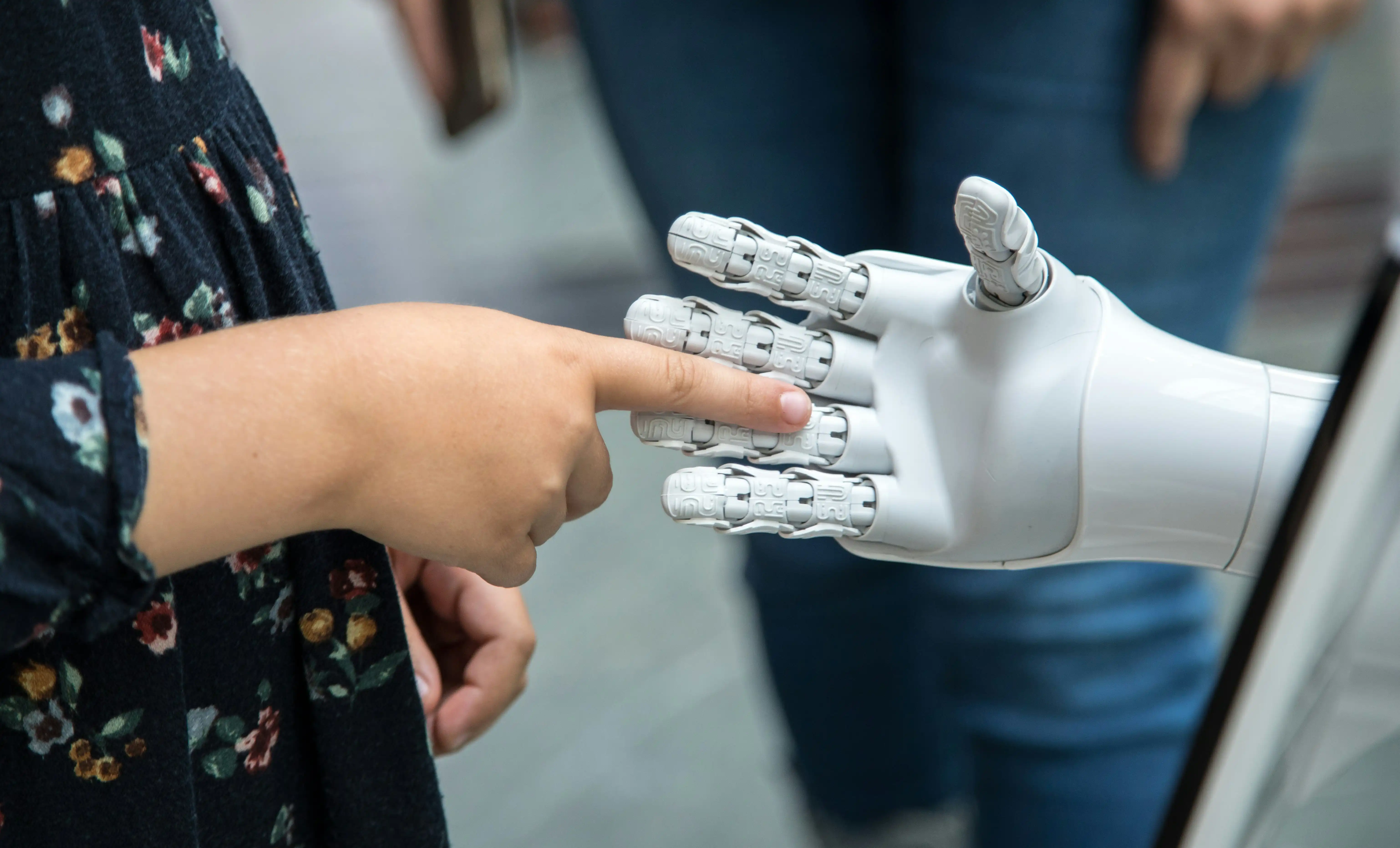
It’s the talk of the town, the word on the street – AI is moments away from taking your job…
Is AI coming for our jobs?
Not really, we’re just kidding.
But the rise of artificial intelligence has understandably sparked some apprehension across the creative industry. As AI tools become better at generating copy, imagery, video and ideas, the question is no longer whether creatives will use AI, but how we use it without losing the human thinking that makes creative work valuable.
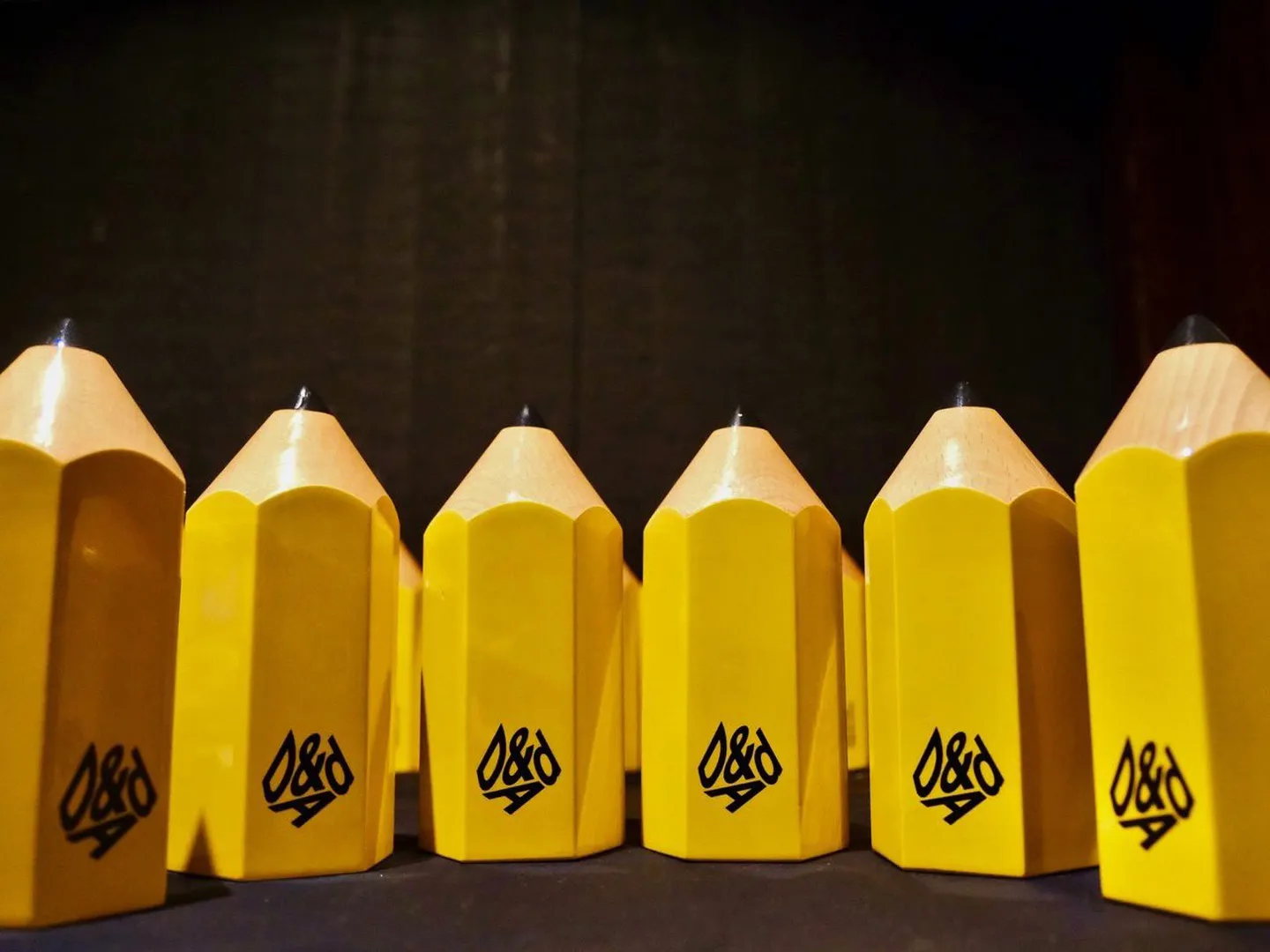
That was one of our biggest takeaways from D&AD: AI and creativity don't have to compete. Used properly, AI can support research, ideation and production while leaving people to provide the judgement, originality and emotional understanding that technology can't replicate in quite the same way.
As we explored in our wider D&AD creative trends, the opportunity is to treat AI as an orchestrator and creative assistant, rather than handing it the creative reins entirely.
AI still needs the human touch
AI can generate an impressive amount of material, but what comes out depends heavily on what goes in.
We provide the context, brief, data and creative direction. We decide what's relevant, what's appropriate for the brand and, crucially, whether the output is actually any good.
AI can help analyse markets, identify patterns, generate starting points and speed up repetitive work. But creativity involves more than producing an output. Context, lived experience, humour, cultural understanding and emotional judgement all influence whether an idea actually connects.
It's part of a much bigger conversation around whether we need proof of human in AI-generated content. As generating content becomes easier, the thinking behind it becomes increasingly important.
Enhancing (not replacing) human creativity
The most useful way to think about AI in the creative process is as an assistant rather than the creative lead.
It can support early stages such as research, trend analysis, idea generation and exploring different directions. It can also help teams get through repetitive or time-consuming tasks faster, creating more space for the work that requires human judgement.
For example, AI can analyse information about a brand, brief and audience to help creatives explore potential directions. Some tools can even simulate audience responses to ideas, giving teams another source of information during development.
But that doesn't mean accepting those outputs at face value. Human creatives still need to interpret the information, challenge assumptions and decide whether an idea makes sense for the real people it's intended for.
That balance applies beyond the creative industry too. There are plenty of ways businesses can use AI in digital marketing without removing human judgement from the process.
Creativity needs something AI can't manufacture
Generative AI is particularly good at working with patterns found in existing information. That's useful when you need to explore possibilities quickly, but creative work isn't simply about finding the most statistically likely answer.
Sometimes the best idea is unexpected, strange or difficult to justify until you see it.
Think of Cadbury's Gorilla. A gorilla playing drums to Phil Collins doesn't exactly sound like the obvious way to sell chocolate. Yet that's precisely part of what made the campaign memorable.
Human creatives can draw on personal experiences, cultural references, intuition and emotion in ways that aren't always predictable. AI can contribute to that process, but deciding when to follow the expected route and when to completely ignore it still requires judgement.
And as more brands gain access to the same generative tools, having a recognisable human perspective becomes even more valuable. That's closely connected to authenticity in digital marketing, where personality, where personality and genuine points of view can help distinguish a brand from everything else competing for attention.
Addressing ethical concerns
AI brings plenty of opportunities, but it also creates genuine questions around copyright, bias, transparency and how generated content is used.
That's why AI shouldn't be treated as a black box.
Creative teams still need to understand where information and assets are coming from, review outputs critically and decide when using AI is appropriate. Responsibility ultimately sits with the people and businesses choosing how the technology is used.
Human oversight isn't simply about improving creative quality. It's also an important safeguard against publishing inaccurate, inappropriate or potentially harmful material.
How can creatives use AI?
Despite its incredible capabilities, even in its current state of existence, AI simply cannot replace the human element in true creativity.
We can immediately see this at work through iconic campaigns like Cadbury’s “Gorilla” and most John Lewis Christmas ads, which all highlight the irreplaceable value of human intuition and emotion. However, there are steps that AI can streamline for us so that we can concentrate on the creative process:
Content generation: AI can assist in generating repetitive content, making it easier to produce consistent social media posts. For instance, one of Rehab Agency’s AI models can act as a social post assistant, providing a starting point for content creation with description prompts and conversation starters. This can be particularly helpful when the task of content creation becomes monotonous.
Trend analysis and insights: AI can help us stay on top of trends and culture by generating actionable insights from real-time data, enhancing the strategic planning process, and ensuring that campaigns are created with relevant and timely information to help them land with a bang.
Quality control and legal checks: AI can assist in ensuring that content aligns with brand guidelines and legal standards. For example, by checking scripts against uploaded guidelines, AI can help us improve the quality and compliance of creative work.
Audience testing: Using AI to build synthetic audiences allows creatives to gain different perspectives and test ideas before launch, which leads to more informed decisions and potentially more successful campaigns without the huge overheads of traditional creative testing.
AI should create more room for creativity
The most interesting opportunity isn't getting AI to do all the creative work for us. It's using it to reduce the work that stops us from being creative in the first place.
Research can become faster. First drafts can happen sooner. Large amounts of information can be analysed more efficiently. Repetitive production tasks can take less time.
That leaves creatives with more room to question, experiment, refine and come up with the ideas people actually remember. Because while the tools might change, strong brand and creative strategy still relies on understanding the business, the audience and the idea that brings the two together.
AI is going to keep changing, and so will the way creative teams work with it. The challenge isn't choosing between AI and human creativity. It's learning where each adds the most value.
So, don't fear AI. Put it to work, keep a human at the helm and save your energy for the thinking only you can bring.
FAQs
Can AI replace human creativity?
How is AI used in the creative industry?
Does AI make creatives less important?
How can creatives use AI responsibly?
Can AI-generated content be authentic?