Copy That Clicks: Talking to Gen Z
As Gen Z—the cohort born between 1997 and 2012—begins to storm into the workforce and take their place as a major consumer demographic, brands are faced with a unique challenge: how do we speak to a group that grew up in a world of memes, emojis and TikTok dances? Below, we’ll dive into a few of the copy trends that are turning Gen Z heads today.

They’re coming. They’re here!
Gen Z. They’re the first digitally native generation, coming of age in a world transformed by the internet. Raised online, they’re fluent in social media trends and can sniff out manipulative marketing a mile away.
They may be young, but they’re proving to be an unusually discerning customer base, choosing connection over commercialism and values over veneer.
For brands, that means reconsidering how they communicate, from the language they use to the stories they tell. Let’s explore some of the key qualities your copy needs now.
Authenticity
Authenticity
Transparency is trendy.
More than any prior generation, Gen Z is making career and purchasing decisions based on their values. As a result, brands are being forced to take a long look in the mirror to figure out what they stand for and how best to communicate their message.
Nowadays, it’s better to be authentic than perfect. It’s an ideal opportunity to own your unique brand narrative, even if you’re still working it out. Whether it's being upfront about company practices or taking ownership of mistakes, honesty is key.
That doesn’t mean simply sounding authentic. Humanising your brand means making sure the personality and values you communicate are reflected in how the business actually behaves.
It’s worth noting that Gen Z is also adept at recognising tokenism, so businesses need to walk the walk as well as talk the talk.
Bottom line: Gen Z expects to see your values front and centre in your content.

Diversity
Gen Z isn’t just hoping for diversity and inclusion. They’re demanding it. They expect to see a genuine reflection of society in your messaging, hiring and representation.
This means inclusive language matters for brands that want to communicate with diverse audiences, and audiences can quickly notice when representation feels superficial or inconsistent.
Accessibility is also part of the picture. From your website’s design to your social media content, creating inclusive digital experiences means considering how different people access, understand and interact with what you publish. Website accessibility shouldn’t be treated as an afterthought.
Bottom line: Inclusive and accessible communication should be considered from the beginning, not added at the end.
Chill
Forget stiff, corporate copy that reads like it was pulled from a textbook. Gen Z is more down-to-earth than that. If it makes sense for your brand, don’t hesitate to use a tone that sounds more like a chat over a pint than a conference presentation. Relatability, honesty and a dash of (sometimes surreal) humour can go a long way.
Dynamic, interactive content that opens up a two-way dialogue is also powerful. Gen Z expects to be part of the conversation, think active comment sections, brand challenges, feedback loops, collabs and user-generated content (UGC).
But as brands enter into these real-time conversations, it’s becoming even more crucial to have a consistent tone of voice. Though it might seem counterintuitive, a well-defined tone is the key to mastering the world of “chill” communication.
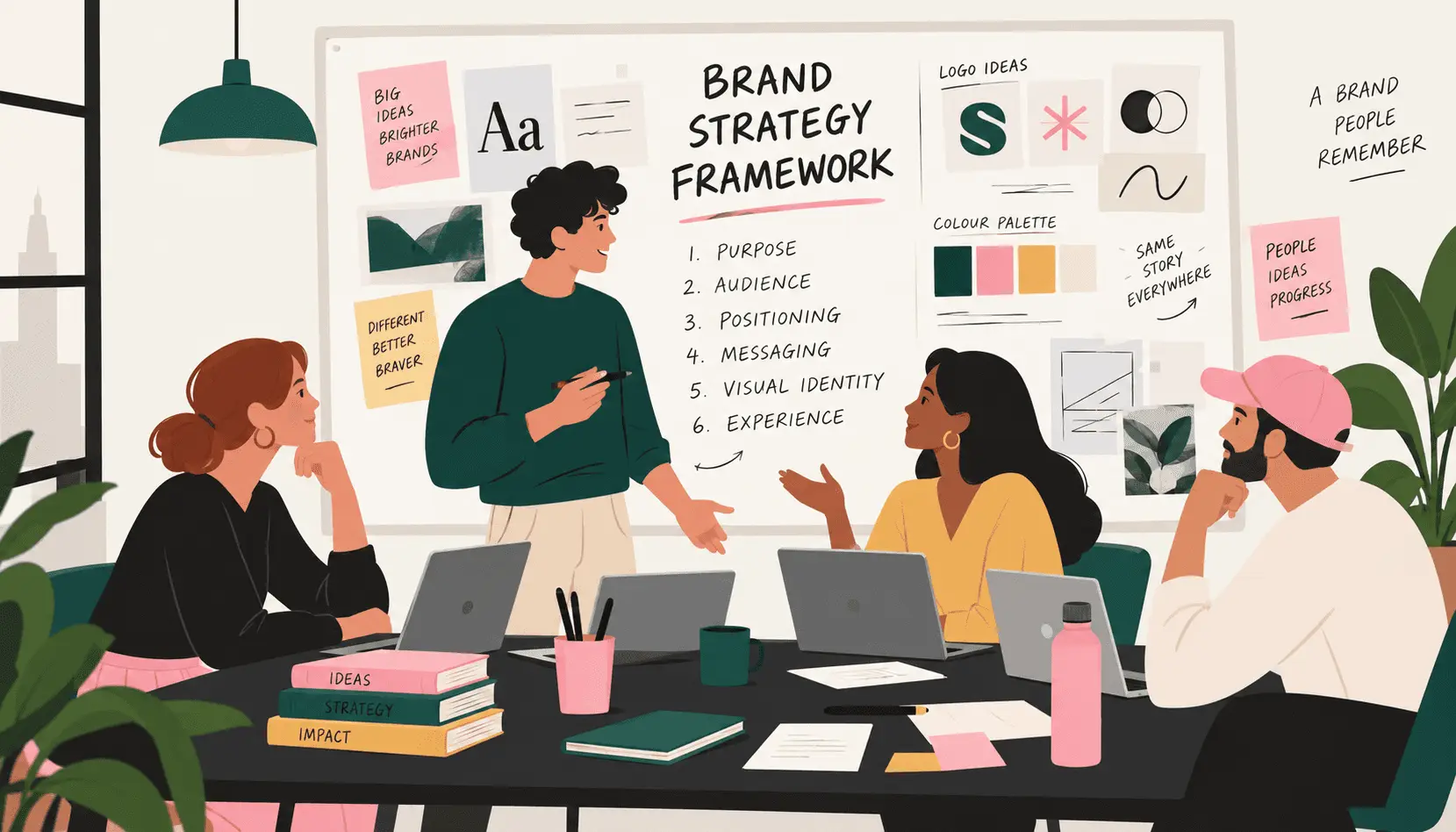
That consistency should come from a wider understanding of your brand. A brand strategy framework can help define your audience, positioning, messaging and tone of voice before you start adapting them across different platforms.
Bottom line: The brands making an impact with young people are the ones that sound like real people, but make sure you’re consistent.

Brevity
Gen Z has grown up navigating fast-moving feeds where countless pieces of content compete for attention. Your copy needs to give people a reason to stop rather than assuming they’ll stick around.
Get to the point quickly. Every word should earn its place.
But keeping it brief doesn’t mean ditching substance. Layer your content: grab your audience with a strong top line but give them the option to dig deeper if they’re intrigued.
Scannable copy works well, with punchy headlines, concise calls to action and compact text blocks that creatively deliver your message. The same principle applies to UX writing, where a few carefully chosen words can make digital experiences clearer and easier to navigate.
Bottom line: Quality copy has never been more valuable. By selecting every word for power, meaning and nuance, you can say more while writing less.
Creativity
Jargon begone.
It’s time to ditch the old ways. Think of the copy on a classic recruitment page. You can picture it now, can’t you? It’s that typical “great culture, fun place to work” stuff that reads like it was cut and pasted from a 1998 job ad.
But if you want to court Gen Z candidates, you need to bring a bit more personality. Tell a story. Share behind-the-scenes moments. Let your team’s quirks shine. And above all, make your copy feel authentic. Gen Z wants to know who you really are.
That’s where great copywriting can give a brand a recognisable voice. It’s not about throwing in slang or jumping on every trend. It’s about finding language that feels distinctive, relevant and genuinely connected to the brand behind it.
We live in a world of visuals, with incredible videos and animations competing for attention. But while visual culture appears to be dominating the creative landscape, copy still plays an almighty role. Visuals attract, impress and delight, but it’s words that communicate the message and encourage people to act. When you combine excellence in visuals and copy, with assets that complement each other, you’ll leave a lasting impression.
Bottom line: The world is your oyster, as long as you’ve got personality.
The bottom bottom line.
At the end of the day, Gen Z isn’t just another consumer group. They’re influencing the way brands think about copy, marketing and brand identity.
Reaching them isn’t about dropping the latest TikTok phrase into your homepage or trying desperately to sound young. It means understanding your audience and building a clear brand voice and messaging that can adapt to different channels without losing what makes it recognisable.
For Gen Z, that means communication that feels original, relevant and human.
Want to shape your content, copy and identity to make your mark? Studio East is here to chat.
Frequently Asked Questions
How should brands communicate with Gen Z?
What type of content appeals to Gen Z?
How can you write copy for Gen Z?
Why is authenticity important when marketing to Gen Z?
Should brands use Gen Z slang in their copy?