D&AD 2024: Top Trends and Takeaways
From AI's creative potential to concocting narratives that really strike a chord, fusing art with commerce to putting the human touch first – get ready for some thought-provoking takeaways.
Every year, D&AD brings together some of the biggest ideas and conversations across advertising, design and creativity. And, as you’d expect, we came away with plenty to think about.
From AI’s changing role in the creative process to accessibility, brand building and a return to all things quirky and handcrafted, these were the ideas that stood out to us and what they could mean for the future of creative work.
AI as the orchestrator
AI is becoming increasingly embedded in creative workflows, but its value still depends on the thinking behind it. We design AI models to assist us, not the other way around.
The goal is to develop AI as a stellar creative assistant – not a messy junior – to help understand markets, generate insights, ensure quality and kickstart ideation. But as we're seeing across the wider conversation around design in the age of AI, human creativity remains essential to turning those capabilities into work that genuinely connects with audiences.
Brand worlds have arrived
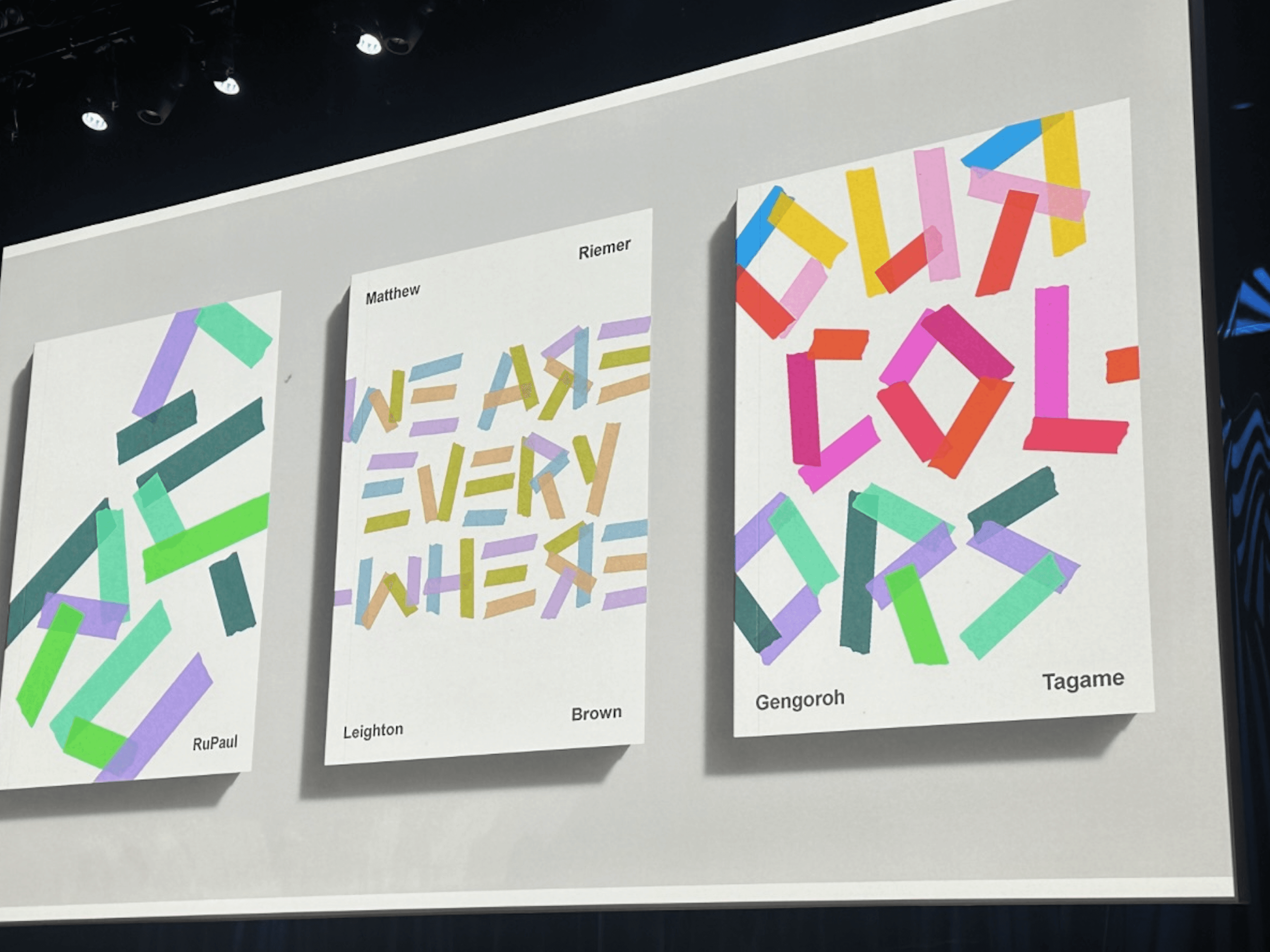
In the old days, a slick logo could take you far. Nowadays, the brands making an impact are thinking bigger. One of our favourite D&AD presentations came from industry legends (and well-known futurephiles) Brian Collins and Leland Maschmeyer, who shared their model for brand world-building.
According to Collins, today’s branding is about crafting visual and verbal identities, activations and partnerships that are original, cohesive and fully guided by your brand’s authentic core.
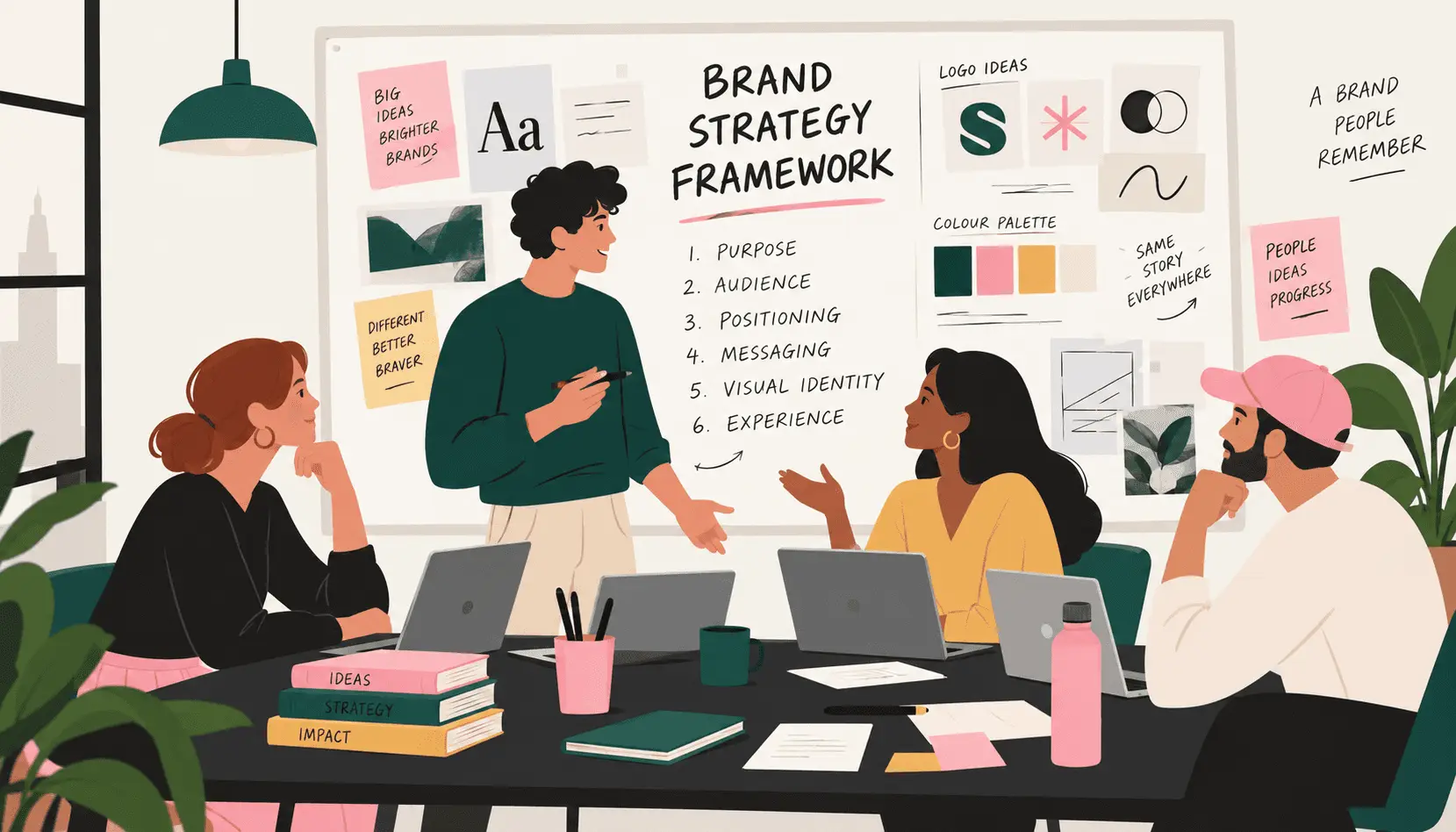
It’s a good reminder that a strong brand strategy needs to consider more than how a brand looks. How it speaks, behaves and shows up across different touchpoints all contribute to a recognisable and consistent brand world.
Innovation for inclusivity
While AI was a buzzy topic across the board, we particularly loved the projects integrating AI to advance the conversation around accessibility. Michelob ULTRA’s Dreamcaster project was a phenomenal example, using haptic technology, generative AI, spatial and sound design to help blind and visually impaired sports fans experience the action of live games – and even provide real-time commentary.
History was made when blind sports journalist Cameron Black used the Dreamcaster to commentate an NBA game live on TV in 2023 – a landmark moment for design and accessibility alike.
It’s also a strong reminder that accessible design doesn't have to limit creativity. Done well, it can create entirely new ways for people to experience and interact with content.
Art complements commerce
D&AD always does a brilliant job of showcasing how the ad industry is changing. This time, we saw how brands are giving emerging artists more opportunities to collaborate in mutually beneficial ways.
The approach is to work with artists whose vibe aligns with the brand, even if they haven't achieved mainstream success yet. It's a smart fusion of art and commerce, and there’s more on this from Sue Yeon Ahn, SMUGGLER’s US Managing Director and D&AD’s 2024 Music Videos Jury President here.
All hail the quirky
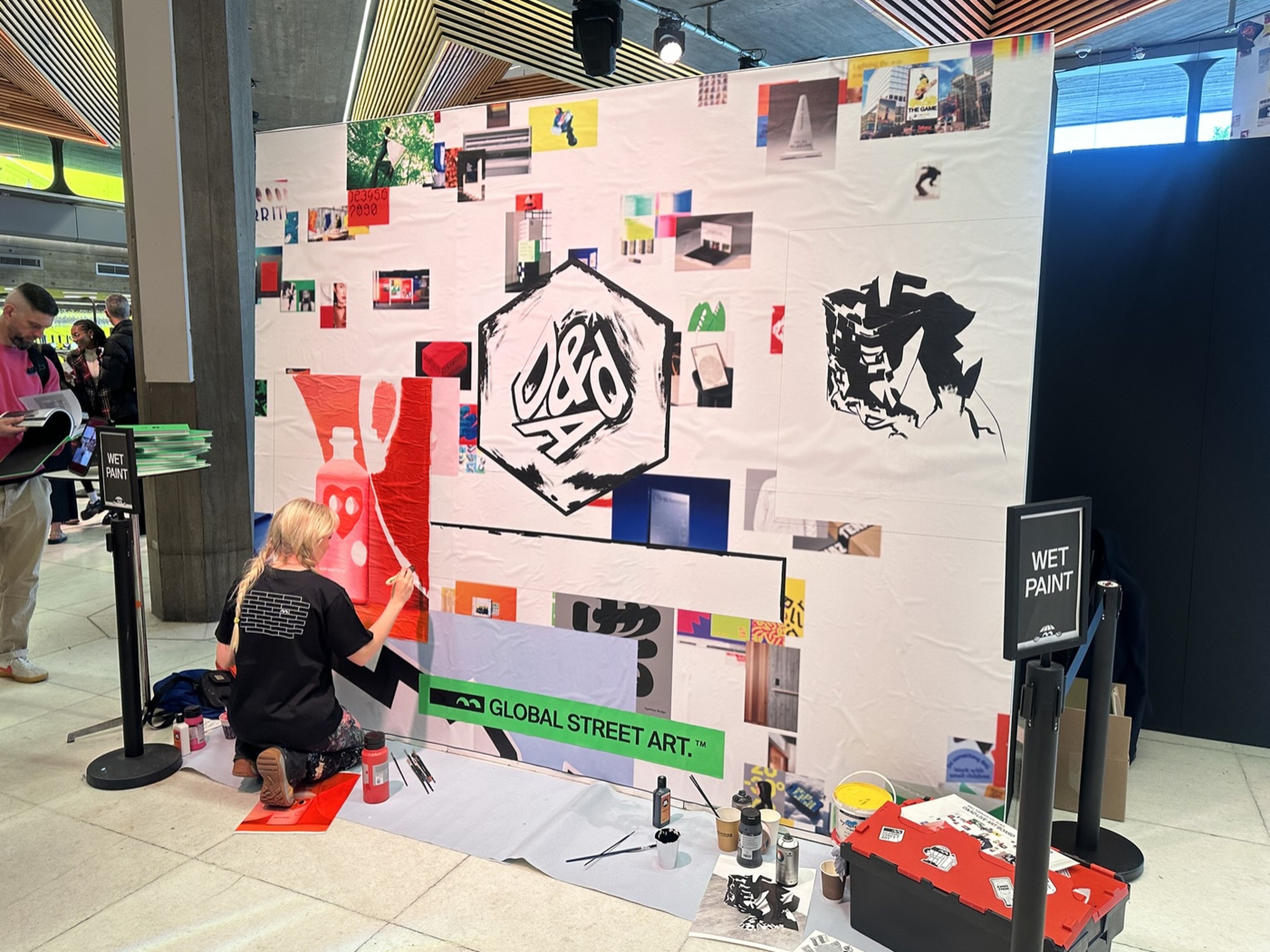
We noticed a shift away from sleek perfection and digital bling towards an emerging appetite for designs, graphics and concepts with a playful, handmade touch.
There were refreshing themes of texture, tactility and quirkiness showcased across type and design, serving as a reminder that human craftsmanship never goes out of style.
And in a creative landscape increasingly influenced by AI, those imperfections and distinctive human touches can become even more valuable.
Brand trust > brand loyalty
Hip to classic advertising tropes, young consumers are looking for more from their favourite brands. Familiarity and legacy are no longer the be-all and end-all.
Instead, the brands poised to thrive with younger generations are those consistently delivering on their promises and upholding shared values – something that can often extend beyond their own industry into issues of inclusivity, climate awareness and more.
That makes authenticity in digital marketing increasingly important. What a brand says needs to line up with what it actually does if it wants to build lasting trust.
Creating aspirational “irrationality”
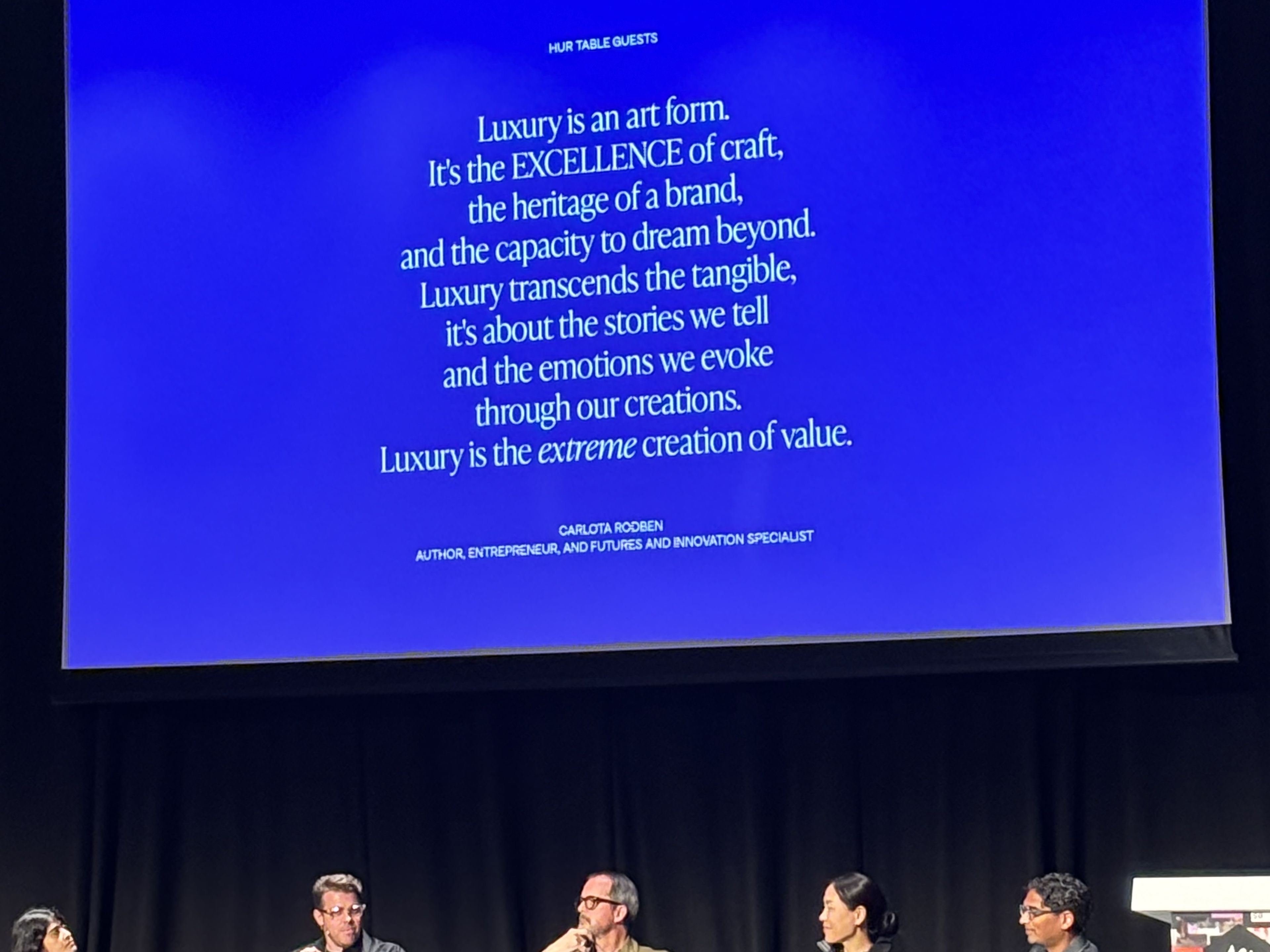
We gained a whole new understanding of the “why” behind the more abstract advertising decisions of some of the most iconic luxury brands.
With such high price points, it’s imperative that audiences looking for luxury products are almost overwhelmed with storytelling magic, no matter how abstract, to create an "irrational desire" that gives them the approval they need to purchase a product. (LG: Now, where’s my wallet?)
It’s a great example of how creativity can build value beyond the product itself, creating a feeling, story and wider world that audiences want to buy into.
As always, D&AD provided us with plenty of food for thought. We'll be chewing on these ideas as we continue creating brands and campaigns that connect with the people they're made for. And if you’re thinking about what could be next for yours, come talk to us.